U.S. Pet Therapeutic Diet Market Size
U.S. Pet Therapeutic Diet Market Summary
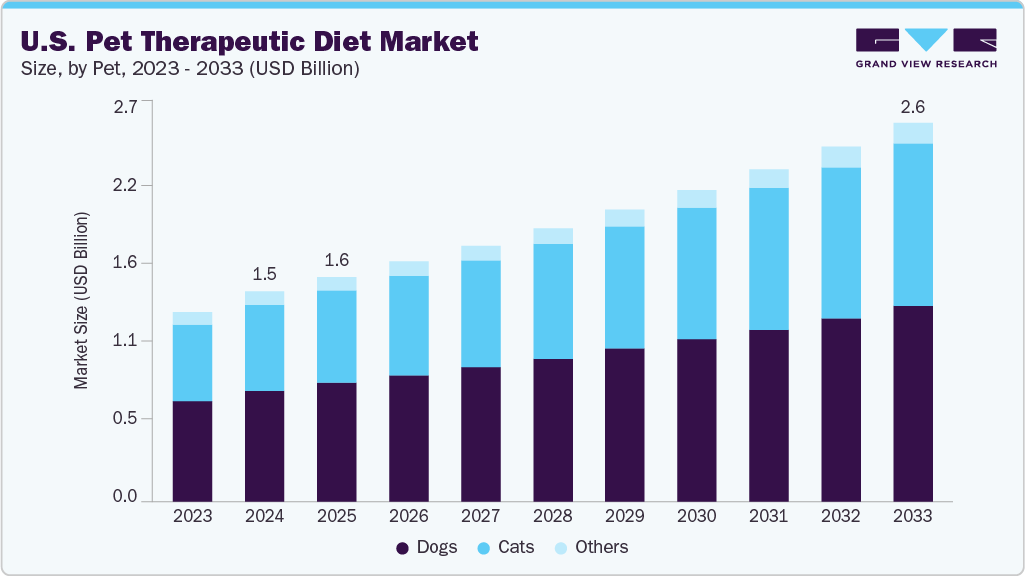
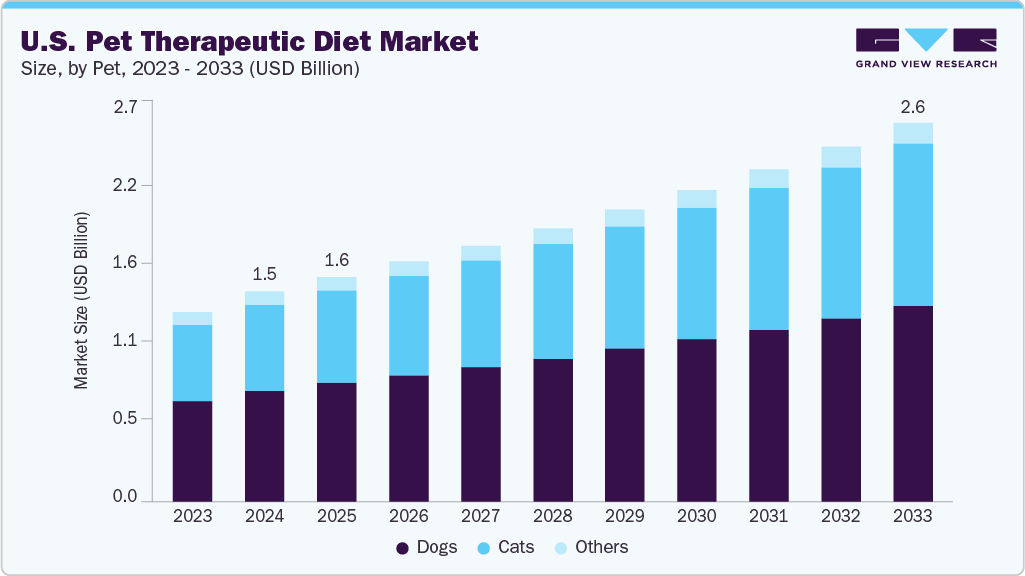
The U.S. pet therapeutic diet market size was estimated at USD 1.47 billion in 2024 and is projected to reach USD 2.64 billion by 2033, growing at a CAGR of 6.71% from 2025 to 2033. Some of the key growth drivers for the market include the rising prevalence of chronic health conditions among pets, such as obesity, kidney disease, and gastrointestinal disorders.
Key Market Trends & Insights
- By application, the obesity care segment held the largest revenue share of 21.7% in 2024.
- By pet, the cats segment is expected to grow at the fastest CAGR of 7.31% from 2025 to 2033.
- Based on product, the dry food segment held the highest market share of more than 60.0% in 2024.
- By distribution channel, the veterinary hospitals & clinics segment held the highest market share in 2024.
Market Size & Forecast
- 2024 Market Size: USD 1.47 Billion
- 2033 Projected Market Size: USD 2.64 Billion
- CAGR (2025-2033): 6.71%
Other factors, such as growing biotechnological innovations efforts in pet nutrition, efforts for educational awareness, a rise in pet insurance coverage for prescription foods, and pet humanization, where owners seek specialized, vet-recommended nutrition, are also expected to further fuel the growth. Nestlé, a key leading player in this industry, in May 2025, unveiled a major enhancement of its R&D capabilities, specifically emphasizing biotechnology, clinical research, and deep technology, to advance precision nutrition and pet therapeutics. This strategic initiative incorporates cutting-edge methodologies such as precision fermentation, screening assays, and development of biotics, including next-generation postbiotics and synbiotics. These advances are designed to yield scientifically validated ingredients with proven bio-efficacy. They enable highly targeted nutritional solutions tailored to pets throughout their lifespan-from early life and healthy aging to therapeutic diet applications.
By streamlining its R&D structure and prioritizing high-impact projects in close alignment with commercial teams, the company aims to accelerate innovation efficiency and responsiveness. Such intensified investments in biotech and clinical research signal a push into the expanding functional and therapeutic pet nutrition sector, reflecting rising consumer demand for science-backed, health-oriented pet diets. Given the company’s standing as a leading player in the global pet care industry, these innovation efforts are likely to influence market dynamics strongly in the U.S. pet therapeutic diet segment, driving growth and setting new expectations for evidence-based dietary products designed to manage or prevent health conditions in pets.
In recent months, educational efforts within the U.S. pet therapeutic diet industry have significantly ramped up to raise awareness about pet nutrition and wellness, particularly through informing pet owners and training future professionals. Simon Veterinary Surgical, for instance, offers practical guidance to pet parents in accessible formats. Its recent article on “What to Feed Your Dog for Joint Health” highlights how certain premium pet foods and ingredients-like chondroitin sulfate, fish oil, hyaluronic acid, and glucosamine can support joint mobility, reduce discomfort, and strengthen muscular support in arthritic dogs. These recommendations, filtered into concise consumer-friendly explanations of how nutrition supports joint function, represent a growing trend toward empowering pet owners with actionable, evidence-backed dietary knowledge.
At the academic level, Cornell University’s College of Agriculture and Life Sciences is advancing nutrition education through the introduction of a progressive new course in April 2025, “Management of Nutrient Disorders in Cats and Dogs.” This course, crafted by Professor Nathalie Trottier, diverges from standard nutrition curricula that focus on basic requirements and instead delves into the intricacies of nutrient metabolism and the implications of imbalances in companion animals. By educating students on how nutrient disorders arise and manifest in pets, the course equips future veterinarians and animal scientists with a deeper understanding of complex metabolic conditions-reflecting an industry-wide shift toward comprehensive, clinically informed nutrition education.
Together, such initiatives from public-facing educational content to specialized higher-education offerings demonstrate a growing commitment within the U.S. pet care sector to elevate nutritional literacy and awareness. These efforts not only empower individual pet owners but also prepare the next generation of professionals with the nuanced knowledge required to support pet health through targeted dietary interventions.
Case Study Analysis: ADM Postbiotic for Blood Sugar Levels in Dogs
As per May 2025 reports, a clinical trial by ADM demonstrated that its PRIOME MH postbiotic significantly reduced post-meal blood glucose levels in adult dogs. This suggests potential benefits for canine metabolic health.
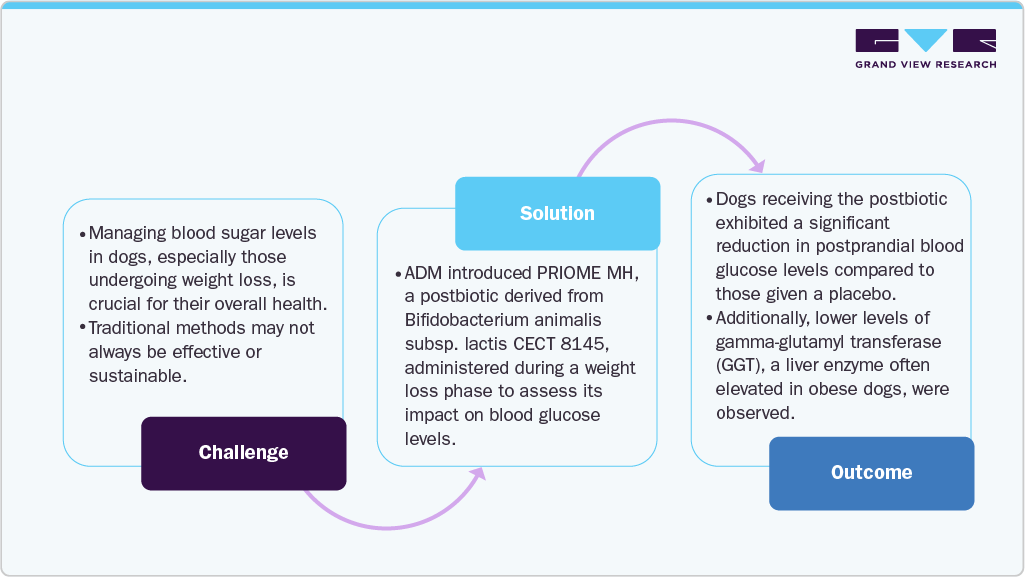
PRIOME MH postbiotic has shown promise as a dietary supplement to support metabolic health in adult dogs. These findings contribute to the growing body of evidence supporting the role of postbiotics in pet health.
Market Concentration & Characteristics
The U.S. pet therapeutic diet market is moderately concentrated, with major players like Nestlé Purina, Hill’s Pet Nutrition, and Mars Petcare driving innovation through functional nutrition, gut health technologies, and life-stage-specific formulations. Growth is fueled by investments in precision fermentation, plant-based and sustainable protein alternatives, and expansion of veterinary and retail channels. Educational initiatives, such as specialized courses on complex nutrition disorders, and partnerships between pet food companies and startups, are strengthening the sector’s expertise. M&A activity and B-Corp certifications also reflect increasing strategic consolidation and brand differentiation.
The U.S. pet therapeutic diet sector is exhibiting a notably high degree of innovation, driven by emerging technologies like precision fermentation, alternative proteins, gut-health targeting ingredients, and academic-industry collaborations. For instance, in August 2025, scientists at the University of Illinois and Bond Pet Foods utilized precision fermentation to produce a chicken-derived protein in brewer’s yeast. Dogs fed kibble containing up to 40% of this fermented protein over six months experienced beneficial changes in gut microbiota and fecal metabolites-without adverse health effects-highlighting the approach’s safety, nutritional efficacy, and potential for gut-health enhancement.
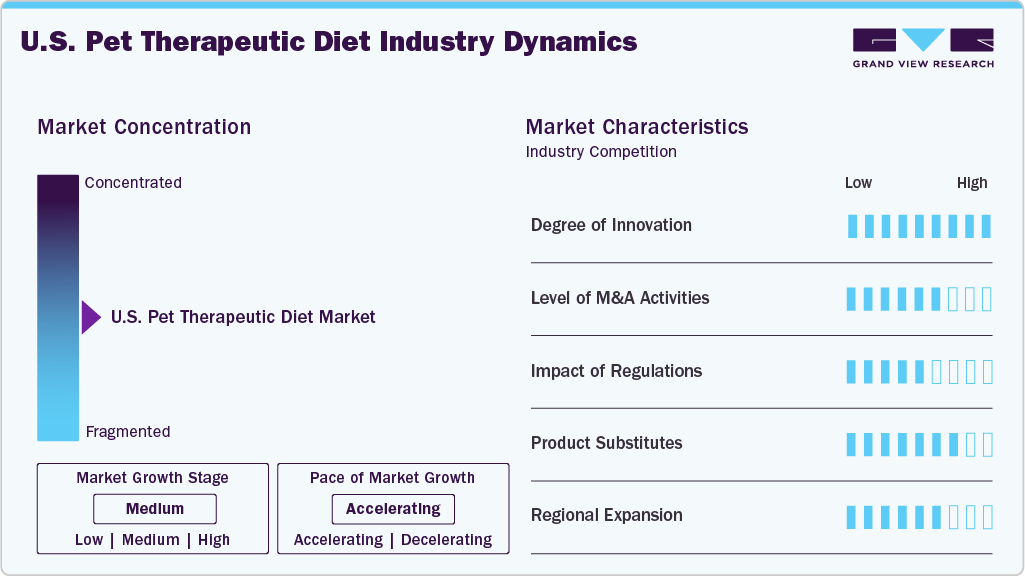
The U.S. pet therapeutic diet market is seeing elevated M&A activity, especially among companies advancing sustainability and functional nutrition through strategic consolidation. For instance, in July 2025, Archway Pet Food acquired Bright Planet Pet, a Minnesota-based manufacturer of 100% plant-based, carbon-negative dog treats. Post-acquisition, Bright Planet will maintain its brand identity but will receive benefits from Archway’s operational scale and distribution penetration-amplifying its reach and reinforcing Archway’s eco-conscious product portfolio. This deal exemplifies how M&A is being used to integrate niche brands focused on sustainability and innovation, thereby expanding product offerings and appealing to climate-aware consumers-highlighting strong momentum in the sector’s consolidation trends.
Regulations and regulatory activities play a crucial role in maintaining safety and accountability within the U.S. pet therapeutic diet industry. The FDA oversees pet food manufacturing, requiring products to be safe for consumption, produced under sanitary conditions, and labeled truthfully. In 2025, the FDA issued recalls for pet foods contaminated with pathogens like Salmonella and Listeria, such as Blue Ridge Beef’s Kitten Mix and Puppy Mix, highlighting the agency’s role in protecting public health. Additionally, the FDA has the authority to issue mandatory recalls under the Food Safety Modernization Act (FSMA) allows for swift action when companies fail to voluntarily remove unsafe products from the market. These regulatory measures are crucial in maintaining consumer trust and ensuring the safety of pet food products.
The country is experiencing significant innovation, particularly in the development of product substitutes that cater to evolving consumer preferences and pet health needs. For instance, Omni, a UK-based plant-based pet food brand, in July 2025, has achieved B Corp certification, underscoring its commitment to ethical practices and sustainability. This certification reflects a growing demand for products that align with consumers’ values, particularly in terms of environmental impact and ethical sourcing. Such developments highlight the sector’s adaptability and responsiveness to consumer demands for healthier, more sustainable pet food options.
The U.S. pet therapeutic diet industry is experiencing moderate regional expansion, characterized by selective investments and strategic partnerships. For instance, in July 2025, Farmina Pet Foods established a manufacturing facility in Reidsville, North Carolina. This facility, the company’s first in the U.S., aims to create 200 jobs over five years and will manufacture a range of products, including dry food, with plans for future expansion into wet food and treats. The company’s decision to localize production reflects a strategic approach to meet growing demand while maintaining high-quality standards.
Product Insights
Dry food led the U.S. pet therapeutic diet market with the largest revenue share of more than 60.0% in 2024. This is driven by this product’s convenience, longer shelf life, and cost-effectiveness compared to wet or fresh alternatives. Pet owners and veterinarians prefer dry diets for managing chronic conditions like obesity, diabetes, and renal issues because they are easy to store, measure, and serve. Additionally, dry therapeutic diets often contain balanced nutrients and specialized formulations tailored to specific health needs, enhancing compliance and consistent treatment outcomes. The segment’s strong presence in retail and veterinary channels further boosts its market dominance.
Wet food is expected to remain the fastest-growing segment over the forecast period, fueled by rising consumer demand for palatable, high-moisture diets that support hydration and improve appetite in pets with health issues. Pet owners are increasingly seeking natural, grain-free, and premium ingredients, which are more commonly found in wet formulations. Wet food’s ability to cater to pets with dental problems or reduced appetite also drives its popularity. Furthermore, innovations in packaging and the variety of flavors enhance convenience and appeal, fueling rapid market expansion.
Pet Insights
The dogs segment held the largest share of the U.S. pet therapeutic diet industry with 52.86% in 2024, due to the high prevalence of chronic health conditions like obesity, arthritis, and allergies in dogs, which drive demand for specialized nutrition. Dogs also represent the largest portion of the pet population in the country, increasing the overall market dominance. Pet owners are more willing to invest in targeted diets to improve their dogs’ quality of life and longevity. Additionally, veterinarians frequently recommend therapeutic diets for managing common canine diseases, reinforcing this segment’s dominance in the market.
The cats segment is projected to witness the fastest CAGR of 7.31% during the forecast period, due to growing adoption of cats in American households as well as rising awareness of feline-specific health issues such as kidney disease, urinary tract disorders, and obesity. Increasing numbers of cat owners are seeking tailored nutrition to address these conditions and improve their pets’ wellbeing. The growth is also driven by advancements in palatable formulations designed to suit cats’ unique dietary preferences. Additionally, greater veterinary recommendations and expanding availability of therapeutic diets for cats contribute to the rapid market expansion.
Indication Insights
The obesity care segment accounted for the largest revenue share of 21.7% in 2024. This dominance is owed to the rising prevalence of obesity in both dogs and cats, driven by sedentary lifestyles and overfeeding. Unique to this segment is the growing emphasis on weight management as a preventive measure against secondary health issues like diabetes, joint problems, and cardiovascular disease. Pet owners are becoming increasingly proactive, seeking scientifically formulated diets that support gradual, healthy weight loss without compromising nutrition. Innovations such as portion-controlled packaging and high-fiber, low-calorie recipes further enhance compliance, making obesity care diets the top choice among therapeutic options.
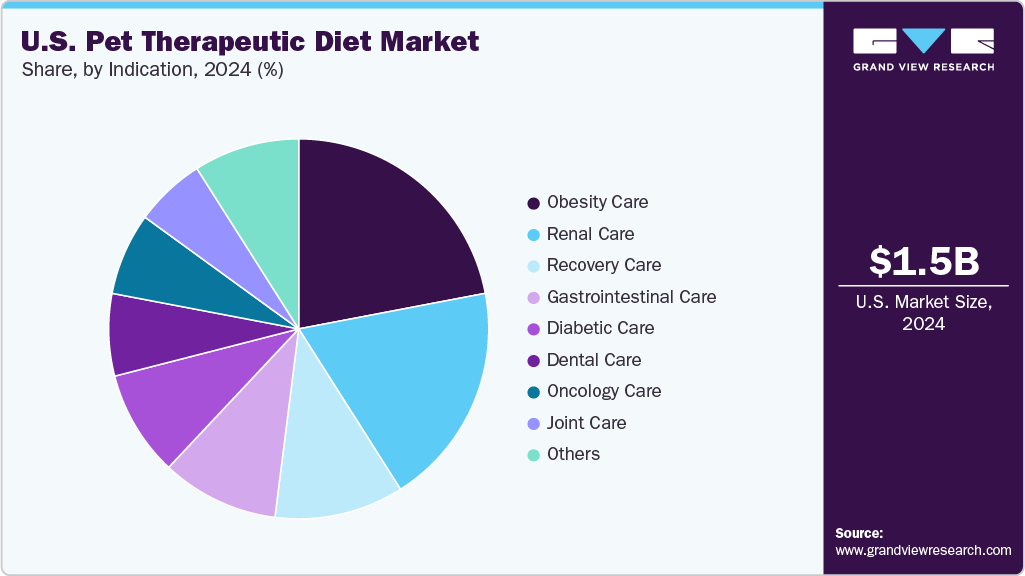
The renal care segment is expected to be the fastest-growing segment in the U.S. pet therapeutic diet market from 2025 to 2033, driven by increasing diagnoses of chronic kidney disease in aging pets. Pet owners and veterinarians are prioritizing early intervention with specialized diets that help manage kidney function and slow disease progression. Advances in formulations focusing on controlled protein, phosphorus, and electrolyte levels, combined with enhanced palatability, drive greater acceptance. Growing awareness of the benefits of renal support diets and the expanding senior pet population are key factors accelerating this segment’s rapid growth.
Distribution Channel Insights
The veterinary hospitals & clinics segment accounted for the largest revenue share of more than 36.0% in 2024. This is mainly because pet owners trust veterinarians for expert guidance on managing complex health conditions. This channel offers personalized diet recommendations tailored to each pet’s specific needs, ensuring higher compliance and better health outcomes. Unique to this segment is the direct professional support during the pet’s treatment, including monitoring and adjustments. Additionally, clinics often provide exclusive therapeutic formulas not widely available elsewhere, making them the preferred and most reliable source for specialized nutrition among discerning pet owners.
The e-commerce segment is expected to grow at the fastest CAGR over the forecast periodas pet owners are increasingly seeking convenience, wider product selection, and competitive pricing. Unique to this channel is the ability to access niche and premium therapeutic diets that may not be readily available in physical stores or veterinary clinical spaces. Subscription services and home delivery options enhance adherence to prescribed diets by ensuring a timely and consistent supply. The rise of digital platforms also enables better access to product reviews and veterinary consultations, empowering pet owners to make informed choices from the comfort of their homes.
Key U.S. Pet Therapeutic Diet Company Insights
The U.S. market is moderately concentrated, dominated by key players such as Nestlé Purina, Hill’s Pet Nutrition, and Mars Petcare, who lead through continuous innovation and extensive product portfolios. These companies invest heavily in advanced functional nutrition, including gut health technologies and life-stage-specific formulations, which help maintain their strong market presence. Strategic mergers and acquisitions, particularly those focused on sustainability and plant-based alternatives, are reshaping the competitive landscape and expanding offerings. The emphasis on precision fermentation and collaboration with academic institutions further fuels product innovation. Additionally, regulatory oversight ensures product safety and maintains consumer confidence, supporting market stability. Overall, these major companies drive growth by combining innovation, sustainability, and strategic expansion to meet evolving consumer demands.
Key U.S. Pet Therapeutic Diet Companies:
- Colgate-Palmolive Company (Hill’s Pet Nutrition Inc.)
- Nestlé
- Mars Petcare (Royal Canin)
- General Mills Inc. (Blue Buffalo Company, Ltd.)
- Diamond Pet Foods, Inc.
- Virbac
- Farmina Pet Foods
- JustFoodForDogs
- EmerAid, LLC
- Merrick Pet Care
- The Farmer’s Dog, Inc.
Recent Developments
-
In June 2025, a study presented at the ACVIM Forum by Hill’s Pet Nutrition researchers indicated that medium-chain triglycerides (MCTs) can enhance energy status and reduce pro-inflammatory lipids in cats with renal disease. This suggests that MCTs may help manage renal disease by addressing energy deficiencies and lowering inflammation.
-
In June 2025, Sporting Kansas City announced a three-year sponsorship with Hill’s Pet Nutrition through the 2027 MLS season, aiming to strengthen community ties and promote pet welfare. As part of the partnership, Hill’s will present the club’s canine mascot, Blue, and support the Hill’s Food, Shelter & Love program, which has provided over USD 300 million in nutrition to shelter pets across North America. The collaboration also includes fan engagement activities such as pet adoption events and giveaways at home matches.
-
In June 2025, Petaluma launched the Whole Food Mixer, a shelf-stable, dehydrated plant-based dog food that requires only water to prepare. Formulated by veterinary nutritionist Dr. Sarah Dodd, it offers complete nutrition using organic ingredients like kale, spinach, and textured soy protein, making it versatile for various feeding ratios to provide proper, balanced nutrition.
-
In April 2025, Hill’s Pet Nutrition enhanced its Science Diet portfolio for adult and senior dry pet foods by incorporating ActivBiome+ Multi-Benefit technology, which blends prebiotic fibers and antioxidants to support digestive, immune, and organ health. This innovation reflects Hill’s commitment to advancing pet health through microbiome science.
U.S. Pet Therapeutic Diet Market Report Scope
|
Report Attribute
|
Details
|
|
Market size in 2025
|
USD 1.57 billion
|
|
Revenue forecast in 2033
|
USD 2.64 billion
|
|
Growth rate
|
CAGR of 6.71% from 2025 to 2033
|
|
Historical Period
|
2021 – 2023
|
|
Actual data
|
2024
|
|
Forecast period
|
2025 – 2033
|
|
Quantitative units
|
Revenue in USD million/billion and CAGR from 2025 to 2033
|
|
Report coverage
|
Revenue forecast, company ranking, competitive landscape, growth factors, and trends
|
|
Segments covered
|
Product, pet, indication, and distribution channel
|
|
Key companies profiled
|
Colgate-Palmolive Company (Hill’s Pet Nutrition Inc.); Nestlé; Mars Petcare (Royal Canin); General Mills Inc. (Blue Buffalo Company, Ltd.); Diamond Pet Foods, Inc.; Virbac; Farmina Pet Foods; JustFoodForDogs; EmerAid, LLC; Merrick Pet Care; The Farmer’s Dog, Inc.
|
|
Customization scope
|
Free report customization (equivalent to 8 analysts working days) with purchase. Addition or alteration to segment scope.
|
|
Pricing and purchase options
|
Avail customized purchase options to meet your exact research needs. Explore purchase options
|
U.S. Pet Therapeutic Diet Market Report Segmentation
This report forecasts revenue growth and provides an analysis of the latest industry trends in each of the sub-segments from 2021 to 2033. For this study, Grand View Research has segmented the U.S. pet therapeutic diet market report based on product, pet, indication, and distribution channel:
-
Product Outlook (Revenue, USD Million, 2021 – 2033)
-
Wet Food
-
Dry Food
-
Other products
-
-
Pet Outlook (Revenue, USD Million, 2021 – 2033)
-
Indication Outlook (Revenue, USD Million, 2021 – 2033)
-
Renal Care
-
Obesity Care
-
Diabetic Care
-
Dental Care
-
Gastrointestinal Care
-
Recovery Care
-
Joint Care
-
Oncology Care
-
Others
-
-
Distribution Channel Outlook (Revenue, USD Million, 2021 – 2033)
Frequently Asked Questions About This Report
b. The U.S. pet therapeutic diet market size was estimated at USD 1.47 billion in 2024 and is expected to reach USD 1.57 billion in 2025.
b. The U.S. pet therapeutic diet market is expected to grow at a compound annual growth rate of 6.71% from 2025 to 2033 to reach USD 2.64 billion by 2033.
b. By indication, the obesity care segment accounted for the largest revenue share of 21.7% in the U.S. pet therapeutic diet market in 2024. This dominance is owed to rising prevalence of obesity in both dogs and cats, driven by sedentary lifestyles and overfeeding.
b. Some key players operating in the U.S. Pet Therapeutic Diet market include Colgate-Palmolive Company (Hill’s Pet Nutrition Inc.) , Nestlé, Mars Petcare (Royal Canin), General Mills Inc. (Blue Buffalo Company, Ltd.), Diamond Pet Foods, Inc., Virbac, Farmina Pet Foods, JustFoodForDogs, EmerAid, LLC, Merrick Pet Care, and The Farmer’s Dog, Inc.
b. Key factors that are driving the market growth include rising prevalence of chronic health conditions among pets—such as obesity, kidney disease, and gastrointestinal disorders—coupled with other factors such as growing biotechnological innovations efforts in pet nutrition, increasing efforts for educational awareness, rise in pet insurance coverage for prescription foods, and increasing pet humanization, where owners seek specialized, vet-recommended nutrition.
link