Safe Winter Travel with Pets
Traveling with pets during winter weather and the busy holiday season requires extra preparation. From icy roads to long drives and cold temperatures, planning ahead helps protect your pets and everyone on the road.
Driving Safely with Pets
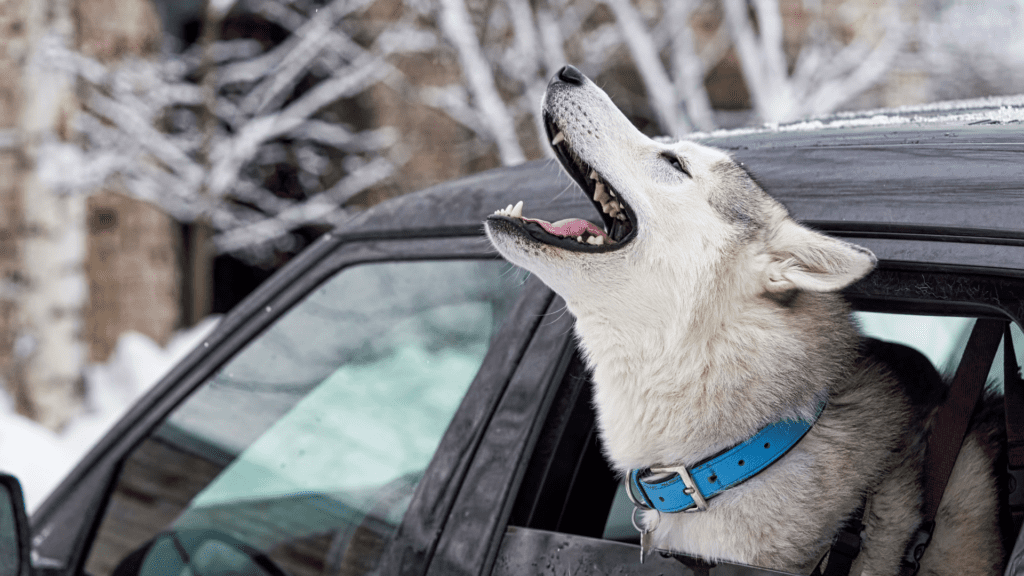
Whether it’s going to visit friends and family down the road, or a cross-country road trip, some furry passengers just love to ride in the car! But traveling in automobiles can be dangerous for your animal companion and you without taking time to prepare.
Loose pets inside of vehicles can become a deadly distraction for drivers. Unrestrained pets can also become hazards themselves during an accident. Without proper restraint, a simple ride with your furry friend could result in harsh consequences for everyone.
Tips for Safe Car Rides with Your Pets:
- Work your pet up to longer trips by taking shorter treks before going on a long expedition.
- Be sure that all ID tags are properly affixed to your pet’s collar and that they have your current contact information, including cell number(s). Update your microchip registration and pet license information to ensure its current and consider including the name and phone number of an emergency contact.
- Never leave pets unattended inside of vehicles.
- Properly restrain, contain or crate your pets inside of your vehicle prior to your trip. Consider purchasing a specially designed pet seatbelt, carrier or barrier for your pet.
- Don’t allow pets to sit on your lap or remain in the front seat while you drive.
Flying Safely with Pets
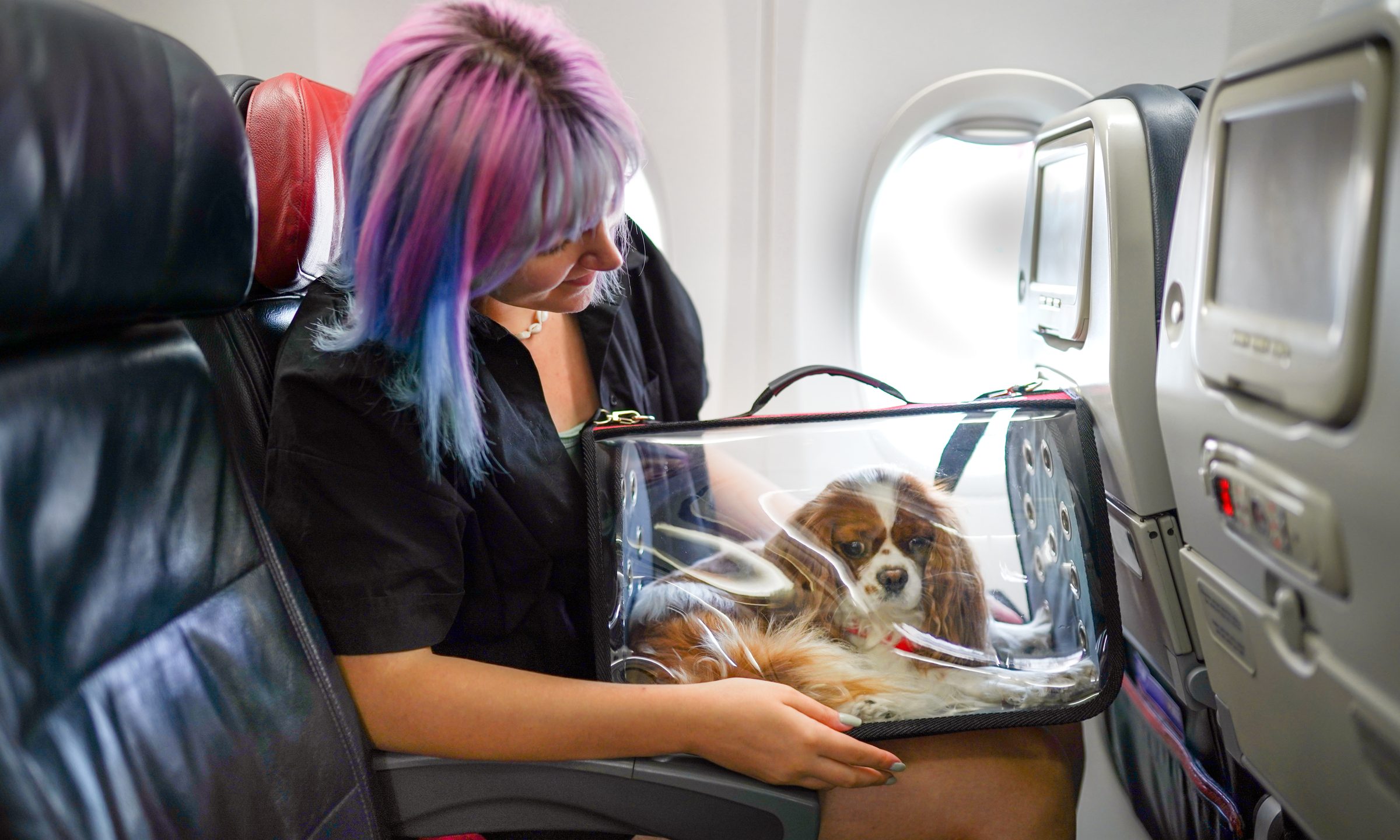
Air travel can be more complex for pets than traveling by car. From airline requirements to kennel preparation and health considerations, planning ahead helps reduce stress and supports your pet’s safety and comfort before, during and after a flight.
Tips for Safe Flights with Your Pets:
- Make sure your kennel is the proper size for your animal. It should be large enough for your pet to stand and turn around in comfortably. Kennels should be properly labeled with “This end up” and “Live animal” stickers if traveling by plane.
- Never leave your pet unattended in your vehicle or in the airport.
- When possible, book direct non-stop flights.
- Inform flight attendants that you have a pet in cargo, if it is unable to be in the cabin with you. Use airlines that have protections in place for your pet.
- Before heading to the airport, have your veterinarian give your pet a full physical exam prior to flying. Flying can be very stressful so take precautions to ensure your pet is healthy enough to fly.
- If you have a breed that has a short nose (brachycephalic) take extra precautions to ensure your pet can handle the stress of flying. Brachycephalic breeds are predisposed to having a difficult time breathing, which will be exacerbated by the stress of flight.
- Bring copies of vaccination records with you, as you never know when you might need them. Health certificates are generally required to fly with an animal on an airline.
Plan well in advance as some states have strict regulations on traveling with pets. Also note that boarding kennels fill quickly during the high-travel holiday season, so it may be difficult to find a vacancy at the last minute.
Winter Weather Pet Tips
Just because pets have fur, doesn’t mean they can withstand cold temperatures. If it’s too cold for you to stand outside, it’s probably too cold for your pet.
Tips for Preparing Pets for Winter Weather:
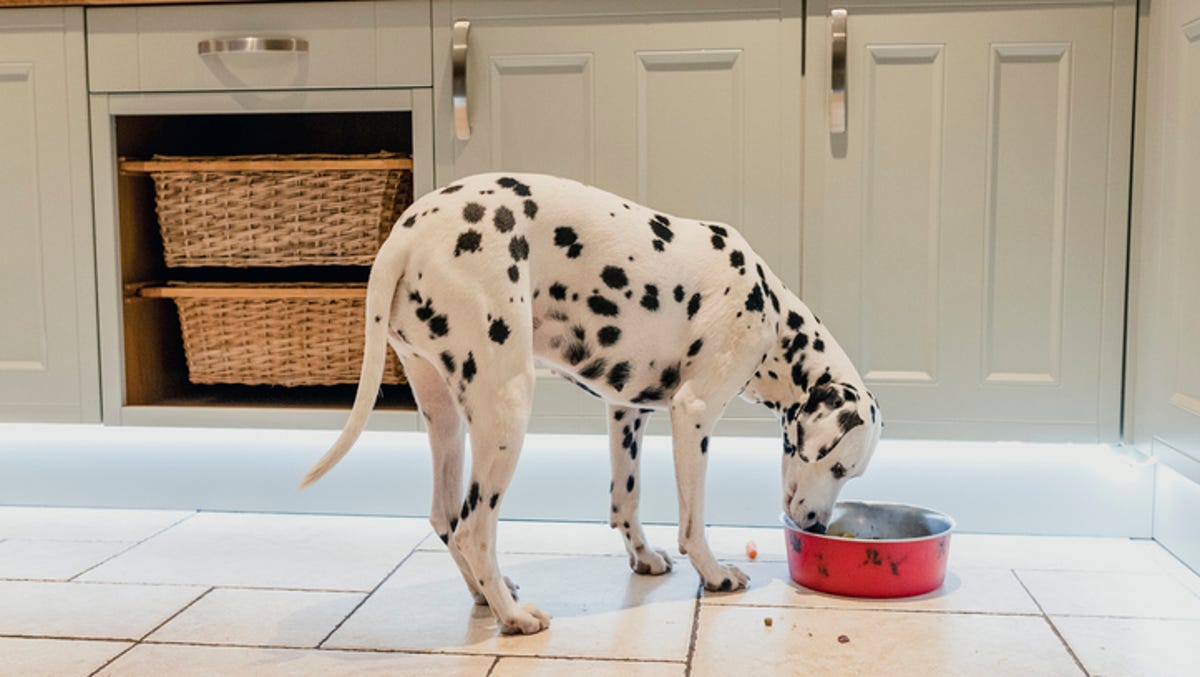
- Limit time outdoors when possible. Staying warm requires extra calories so provide extra food and water.
- Protect your puppy. Puppies are more susceptible to cold than adult dogs so limit time outdoors.
- Dry and wipe down pets after spending time outdoors. Sidewalk salt is toxic and can lead to dry and irritated paws. Lingering ice can also cause frostbite.
- Use nontoxic antifreeze. Antifreeze is great-tasting for pets but ingesting even a small amount can be fatal.
- Keep your pet leashed during walks. It’s easier for a dog to become lost in winter storm conditions. More dogs are lost during the winter than during any other season.
- Plan ahead. Watch for cold weather warnings and keep a pet-preparedness kit well-stocked in case you can’t leave your home for several days.
Safe Winter Travels for All
Winter travel can be rewarding, but it comes with added responsibilities when pets are along for the journey. Whether you’re driving across town or flying to visit loved ones, taking time to plan ahead helps reduce risk, minimize stress and keep pets safe in changing weather conditions. With preparation, awareness and thoughtful travel choices, you can help ensure the season is safer and more comfortable for every member of your family.
link