All About Beauty
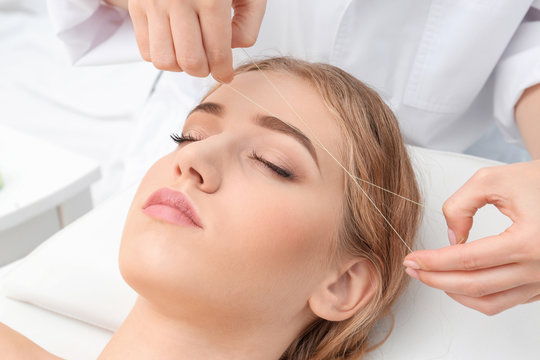
Beauty is a concept that has fascinated humans for centuries, intertwining with culture, art, and personal identity. It encompasses a wide range of aspects, from physical appearance to inner qualities, and is influenced by societal norms, personal preferences, and evolving trends. This article delves into various dimensions of beauty, exploring its definitions, the role of cosmetics, skincare routines, the impact of nutrition and exercise, the psychology behind beauty, and the significance of inner beauty.
The Definition of Beauty
Beauty is often defined as a combination of qualities that pleases the senses or mind, particularly the sight. However, beauty is subjective and can vary greatly across different cultures and individuals. What one person finds beautiful, another may not. This subjectivity is influenced by cultural backgrounds, personal experiences, and even media portrayals. Throughout history, the standards of beauty have evolved, reflecting changes in society’s values and technological advancements.
The Role of Cosmetics
Cosmetics play a crucial role in the beauty industry, helping individuals enhance their physical appearance and express their creativity. From ancient times, people have used various substances to adorn their faces and bodies. Today, the cosmetic industry offers a wide range of products, including makeup, skincare, and haircare items. Makeup allows individuals to highlight their features, conceal imperfections, and experiment with different looks. It empowers people to feel more confident and present themselves in the way they desire.
Skincare Routines
A good skincare routine is essential for maintaining healthy and radiant skin. It typically includes cleansing, toning, moisturizing, and protecting the skin from sun damage. Cleansing removes dirt, oil, and impurities, while toning helps balance the skin’s pH levels. Moisturizing keeps the skin hydrated and prevents dryness, and sunscreen protects against harmful UV rays that can cause premature aging and skin cancer. Additionally, incorporating treatments like serums and masks can address specific skin concerns such as acne, hyperpigmentation, or fine lines.
The Impact of Nutrition and Exercise
Nutrition and exercise are fundamental to achieving overall beauty and well-being. A balanced diet rich in vitamins, minerals, and antioxidants promotes healthy skin, hair, and nails. Foods high in omega-3 fatty acids, such as fish and flaxseeds, help maintain skin elasticity and hydration. Antioxidant-rich fruits and vegetables combat free radicals, reducing signs of aging. Exercise improves blood circulation, which nourishes the skin and gives it a healthy glow. Regular physical activity also helps maintain a healthy weight, which can enhance one’s physical appearance and boost self-esteem.
The Psychology of Beauty
The perception of beauty is deeply rooted in psychology. Beauty can influence social interactions, self-esteem, and even career opportunities. People often associate beauty with positive attributes such as confidence, success, and happiness. This phenomenon is known as the “halo effect,” where individuals perceived as beautiful are also assumed to have other favorable qualities. However, the pursuit of beauty can sometimes lead to negative psychological effects, including low self-esteem, body dysmorphia, and eating disorders. It’s essential to promote a healthy and balanced approach to beauty that emphasizes self-acceptance and mental well-being.
The Significance of Inner Beauty
While physical appearance is often the focus of beauty discussions, inner beauty is equally important. Inner beauty refers to qualities such as kindness, empathy, and integrity. These traits can significantly enhance one’s overall attractiveness and impact how others perceive and interact with an individual. Cultivating inner beauty involves developing a positive attitude, building strong relationships, and engaging in activities that bring joy and fulfillment. Ultimately, inner beauty contributes to a person’s sense of self-worth and happiness.
The Evolution of Beauty Standards
Beauty standards have continuously evolved, influenced by cultural, social, and technological changes. In ancient times, fuller figures were often celebrated as symbols of fertility and wealth. During the Renaissance, pale skin and voluptuous bodies were considered ideal. The 20th century saw a shift towards slimmer figures, with the rise of fashion icons like Twiggy and the supermodels of the 1990s. Today, there is a growing movement towards body positivity and inclusivity, challenging traditional beauty norms and celebrating diverse body types, skin tones, and features.
Beauty and Technology
Technology has revolutionized the beauty industry, making advanced treatments and products more accessible. Innovations such as laser therapy, Botox, and dermal fillers offer non-invasive options for enhancing physical appearance. Additionally, digital platforms and social media have transformed how beauty is perceived and consumed. Influencers and beauty bloggers share tips, tutorials, and product reviews, shaping trends and consumer preferences. Virtual try-on tools and AI-powered skincare apps allow users to experiment with different looks and receive personalized recommendations, making beauty more interactive and personalized.
Conclusion
Beauty is a multifaceted concept that extends beyond physical appearance to include inner qualities, cultural influences, and evolving trends. It plays a significant role in personal identity, social interactions, and psychological well-being. While cosmetics and skincare routines enhance external beauty, nutrition, exercise, and inner qualities contribute to overall attractiveness and health. Understanding the diverse dimensions of beauty can help individuals appreciate their unique qualities and embrace a holistic approach to beauty and self-care. As society continues to evolve, the definition of beauty will undoubtedly expand, promoting inclusivity and celebrating diversity in all its forms.