The Safest Way to Travel With Your Pets
Quick Take
- This National Pet Travel Safety Day urges smarter, safer travel for dogs and cats.
- Experts say that dogs and cats are equally at risk.
- Dog crates can be useful for keeping your pup safe while traveling.
- Keep reading to find out bonus information about Chew Toys’ safety.
For many pet parents, a trip just isn’t complete without their four-legged family members along for the adventure. Whether it’s a weekend road trip, a cross-country move, or a long-awaited vacation, pets often come with us wherever we go. However, while traveling together can be rewarding, it can also be stressful and even dangerous without proper planning.
January 2 is National Pet Travel Safety Day, a timely reminder that pets require the same level of preparation and protection as any other family member when traveling. Too often, we see dogs riding unsecured in laps, roaming freely between seats, sticking their heads out of windows, or traveling in improperly sized carriers. These common behaviors may look harmless, but they significantly increase the risk of injury or worse outcomes. Nothing will ruin a trip faster than having your best friend get injured.
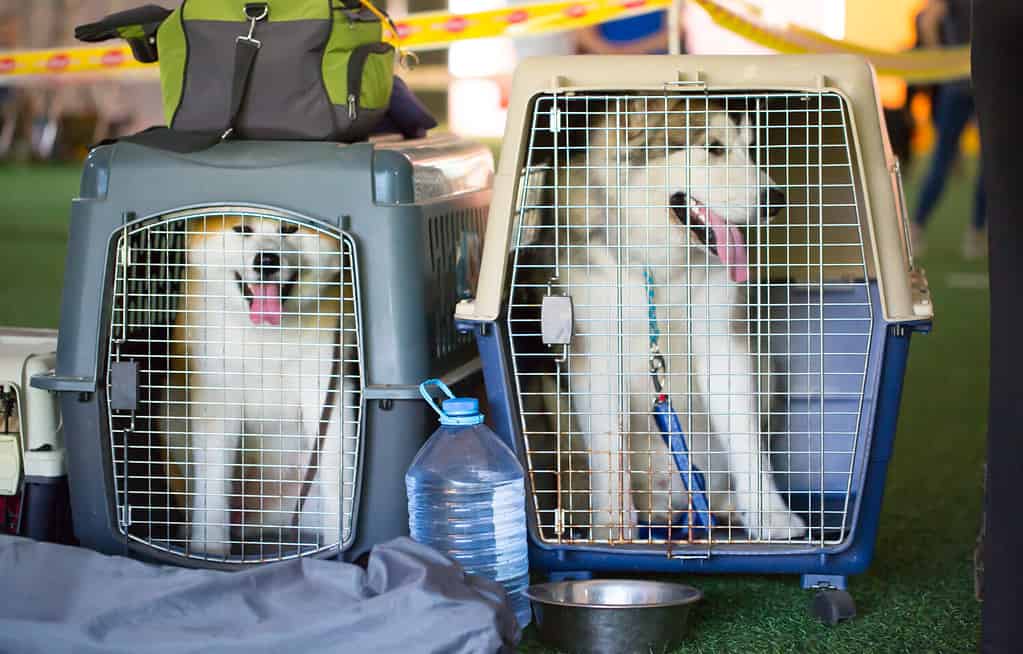
Crates can be an excellent way to help keep your pet safe during your travels.
©Vera Larina/Shutterstock.com
For expert insight, we turn to Lindsey A. Wolko, founder of the Center for Pet Safety (CPS), a nonprofit dedicated to scientific research and testing of pet products.
Wolko emphasizes that not all pet travel products offer real protection. She says, “Ensure your pets are restrained or contained during travel in a Center for Pet Safety (CPS) Certified product. These are the safest products on the market.”
According to Wolko, products including safety harnesses, pet travel carriers, and travel crates have been Independently Crash Test Certified by the Center for Pet Safety, meaning they’ve undergone rigorous testing designed to protect both pets and humans in the event of a crash.
She also issues a strong warning against certain restraint systems. “Do not use extension tethers (also called ‘seatbelts’) or Zipline style products to restrain your pet in a vehicle. We have scientifically proven these products increase the risk of injury for all vehicle occupants, including the dog.”
Additional everyday car safety reminders from Wolko include: “Keep heads inside. Open windows can cause injury. And never leave pets in hot cars.”
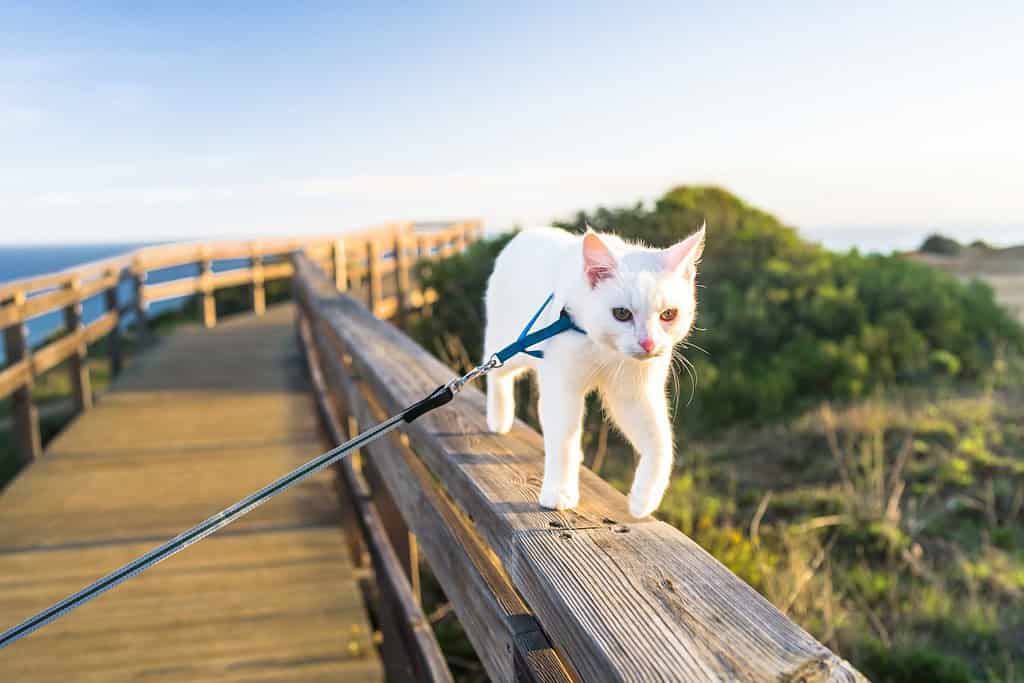
Both cats and dogs can accompany you and these trips can provide shared experiences.
©Piotr Skolimowski/Shutterstock.com
With thoughtful preparation and science-backed safety practices, you can help ensure your pet arrives safely and comfortably, regardless of your mode of travel.
Essential Travel Prep
- Pack a pet first-aid kit for emergencies.
- Make sure your pets are up-to-date on vaccinations, flea, tick, and heartworm prevention.
- Microchip your pet in addition to using a collar and ID tags.
- Use a GPS or tracking device in case your pet becomes lost.
- Pack extra food, treats, bottled water, bowls, collars, leashes, toys, and bedding.
- Bring medical records, medications, and recent photos of you with your pet.
- Locate a veterinary clinic near your destination before you leave.
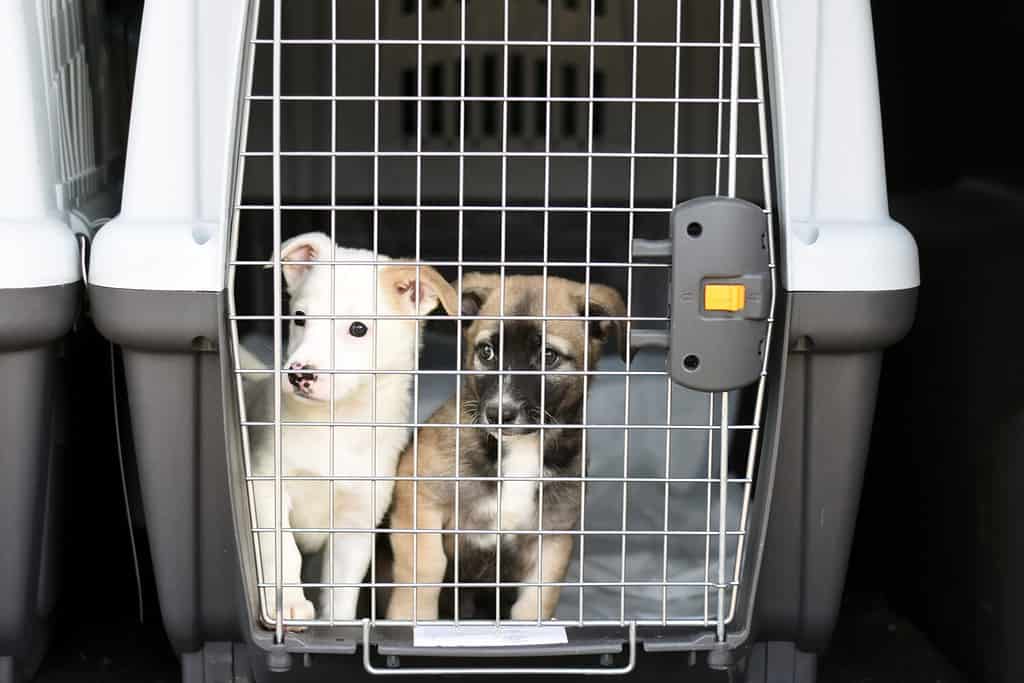
Each animal has different travel needs, and thoughtful planning can help ensure the journey is safe.
©Valeriy Volkonskiy/Shutterstock.com
Traveling by car is one of the most common ways pets journey with their families, but it also presents serious risks if pets are not properly restrained.
Unrestrained Pets Put Everyone at Risk
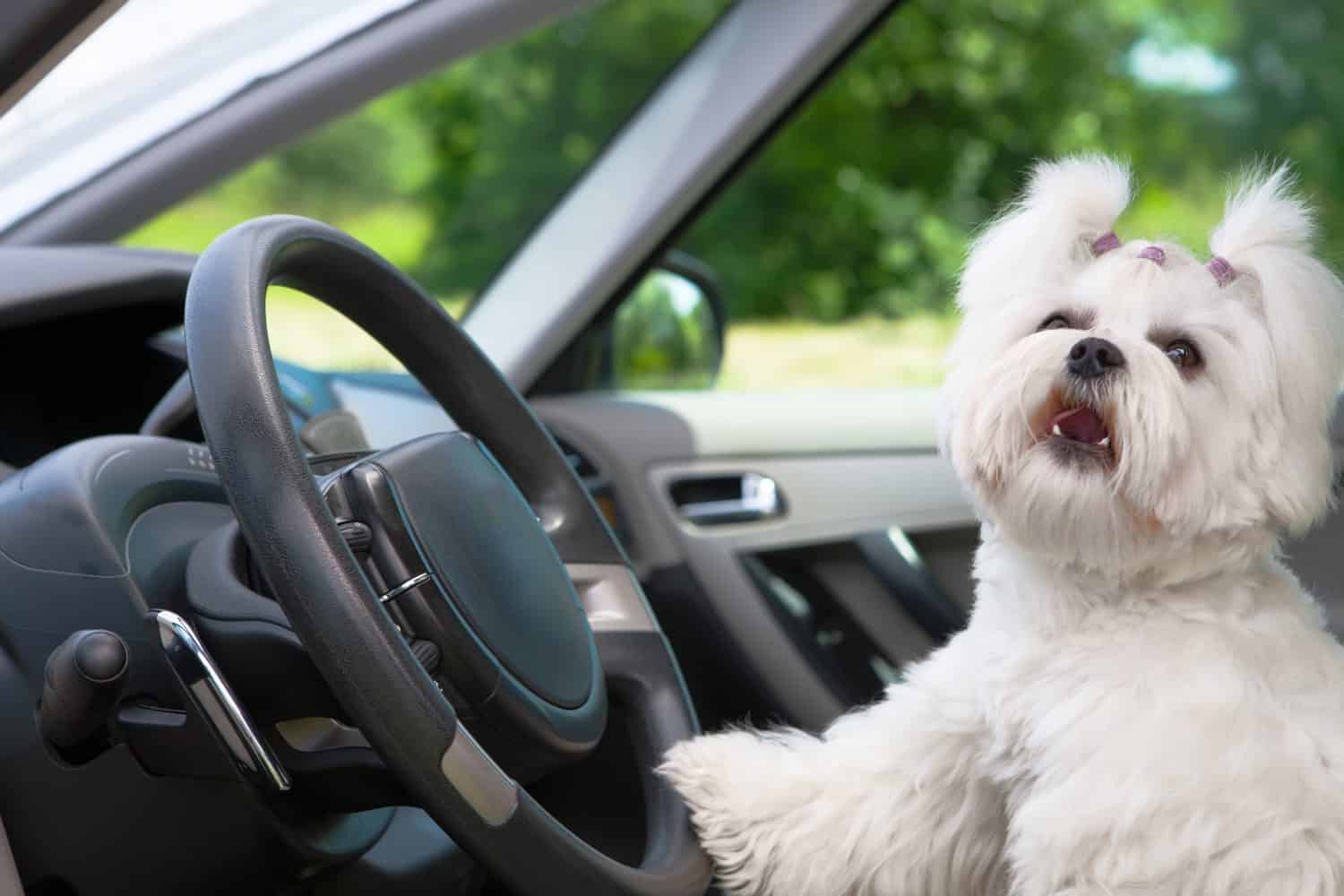
Allowing a dog or cat to roam freely inside a vehicle or sit on a driver’s lap creates serious safety hazards. In the event of sudden stopping or a collision, an unrestrained pet can become a projectile, injuring itself and passengers. Pets can also distract drivers, raising the chances of an accident.
Secure Your Pet Properly
- The safest option for car travel is a well-ventilated crate or carrier that allows your pet to stand, sit, lie down, and turn around comfortably.
- Secure the crate so it will not slide during sudden stops.
- If you choose not to use a crate, your pet should ride in the back seat wearing a crash-tested harness designed for vehicle safety.
Important note from the Center for Pet Safety (CPS):
Wolko says not to buckle a pet carrier with a seatbelt unless the manufacturer provides crash-test evidence. Seatbelts can crush carriers during accidents. Instead, place small carriers on the floor behind the front seat. This is the safest spot.
Head-Out-the-Window Hazards
While it may look cute, allowing pets to hang their heads out of car windows exposes them to flying debris, dust, insects, and sudden stops, all of which can cause painful and costly injuries.
Feeding and Hydration
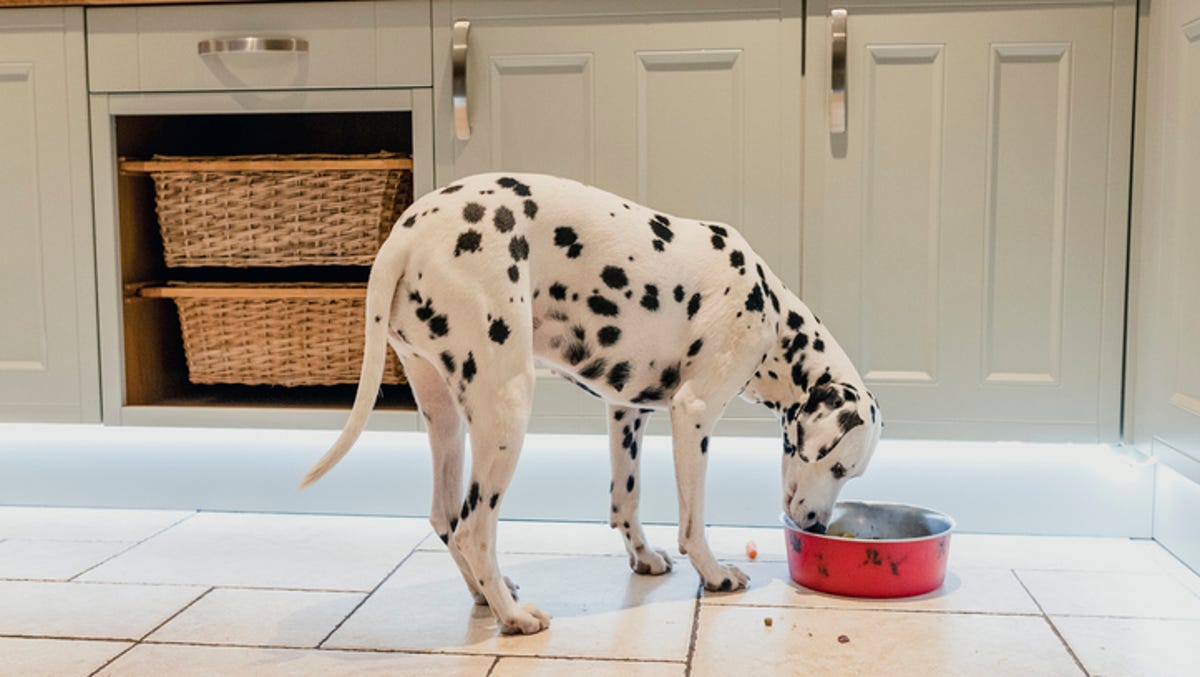
Feed your pet a light meal three to four hours before departure. Always bring bottled water to prevent stomach upset, and avoid feeding your pet while the vehicle is moving.
Never Leave Pets in a Parked Car
Leaving pets alone in parked vehicles is extremely dangerous. Even on mild days, car interiors can reach deadly temperatures within minutes. In cold weather, cars can trap cold air, leading to hypothermia. Cracking a window is never enough.
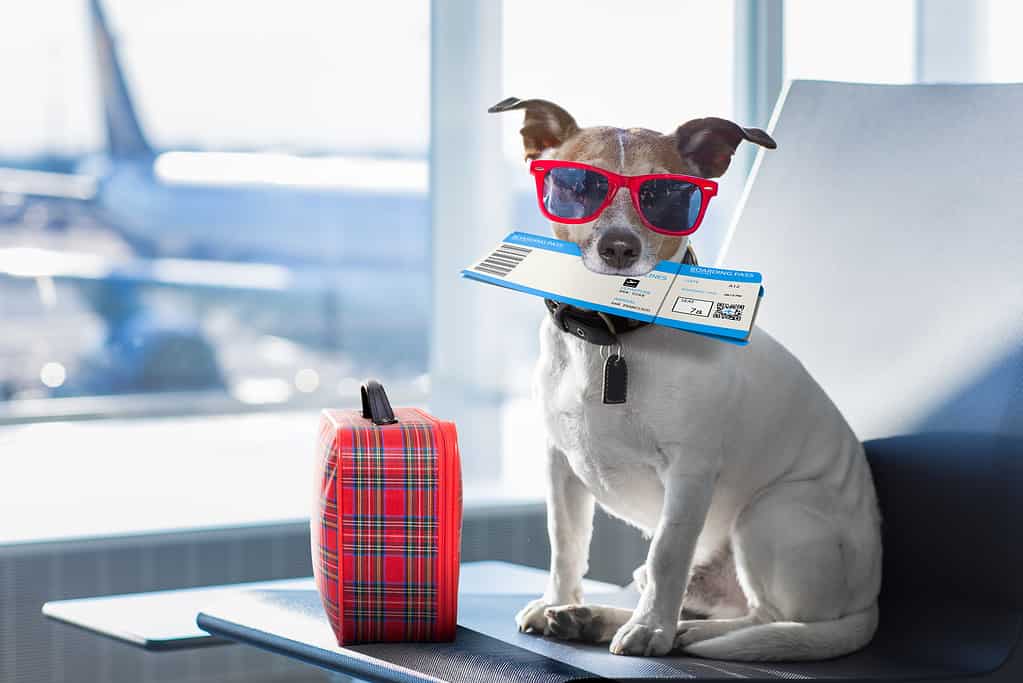
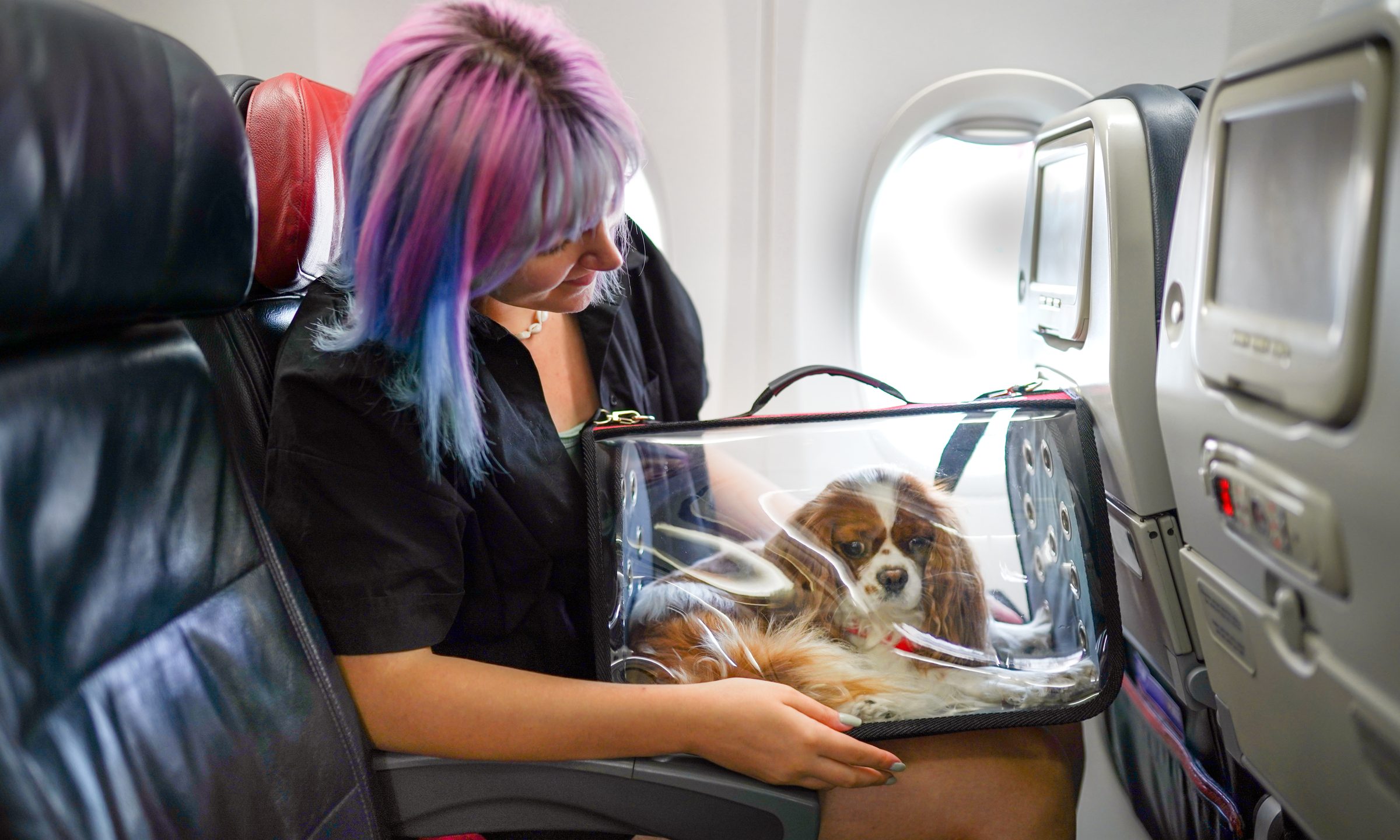
Air travel can be one of the most stressful and potentially risky ways for pets to travel.
©damedeeso/iStock via Getty Images
Flying with pets demands attentive planning and should be avoided whenever possible, especially for pets that cannot travel in the cabin. Whenever possible, avoid flying with pets unless they can travel in the cabin under your seat. If air travel is unavoidable:
- Book direct flights to reduce handling and exposure to extreme temperatures.
- Obtain a health certificate from your veterinarian 7–10 days before departure.
- Never tranquilize your pet; sedatives can cause serious breathing complications.
- Choose a USDA-approved crate that allows your pet to stand, sit, and turn around comfortably.
- Clearly label the crate with “Live Animal” stickers, contact information, destination details, and a photo of your pet.
- Notify airline personnel at every stage that your pet is traveling in the cargo hold.
- Research airlines thoroughly, as standards of care vary widely.
If your pet is traveling in the cabin, ensure the carrier meets airline size requirements and acclimate your pet to it well before departure.

Knowing your animal is welcome allows you to focus on the fun instead of worrying about lodging issues.
©Prystai/Shutterstock.com
Ensure your pets are restrained or contained during travel in a Center for Pet Safety (CPS) Certified product.
Lindsey A. Wolko, founder of the Center for Pet Safety
Once you arrive, your pet’s safety still depends on thoughtful preparation for the hotel or other destinations.
- Bring a portable crate or containment option for hotel stays.
- Pack comfort items such as blankets or familiar toys.
- Use potty pads or belly bands if needed.
- Refrain from adding new treats or foods during travel to prevent gastrointestinal issues.
A chew toy for a traveling pet may be a good distraction, but there are safety concerns to address.
©nadisja/Shutterstock.com
Chew toys are commonly used during travel to reduce stress, prevent boredom, and keep pets calm in crates, carriers, hotels, or unfamiliar spaces. However, not all chew toys are safe, and the risks increase when pets are anxious, unsupervised, or confined.
Wolko says, “For other pet safety tips regarding chew toys, we will be publishing a report on Chew Toys soon.” Wolko gives us some early takeaways from the report. Dogs and cats are equally at risk.
- Avoid giving your pets chew toys made of indigestible materials. These products can cause GI obstruction if a piece is swallowed, leading to urgent surgical intervention.
- There is a disturbing trend in the pet products industry where brands are embedding herbs, flavors, or scents into indigestible materials to promote a better “chew” or “play” experience.
- No toy is indestructible. Not all insurance providers cover these types of incidents.
- The average cost to treat these incidents reported to CPS is between $4,000–$8,000 US. In some cases, the pets do not survive.
- Instead, give your pets natural, digestible products. CPS suggests carrots and broccoli stems as good chews for your pet.
- If you choose to purchase a product as a chew toy for your pet, choose products made of 100% digestible materials, such as No-Hide or Himalayan Yak style chews.
- Give digestible chew toys in moderation. Some manufactured digestible treats are high in calories.
- Monitor your pet when playing with chew toys and remove the small pieces from play as the pet wears down the treat or toy.
During travel, supervision is especially important. A chew toy that might seem harmless at home can become dangerous in a crate, hotel room, or moving vehicle, particularly when stress increases chewing intensity.
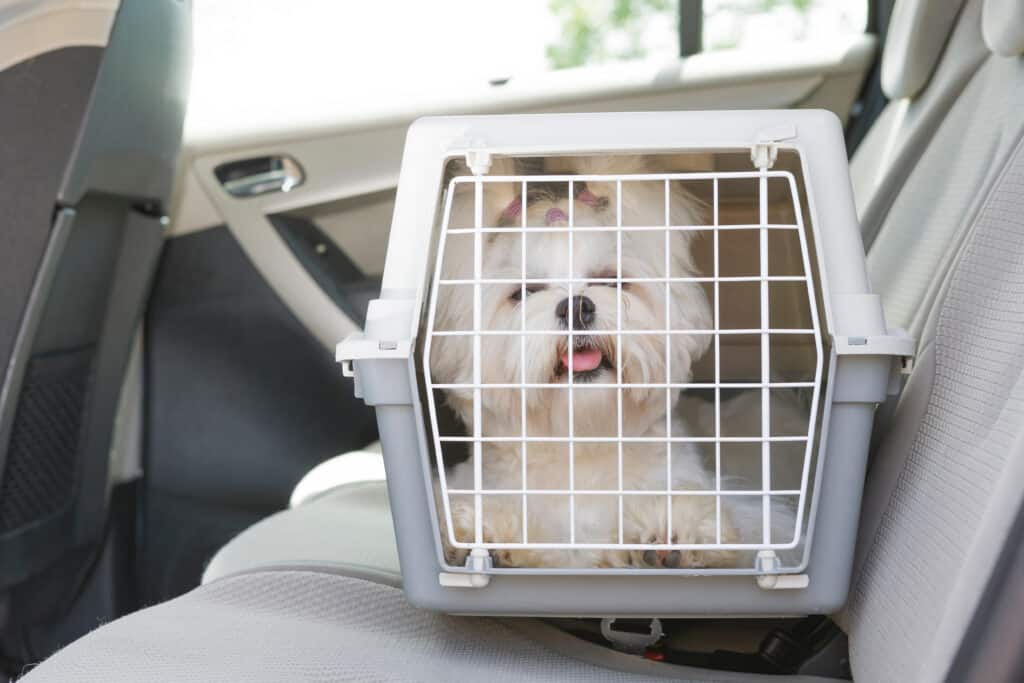
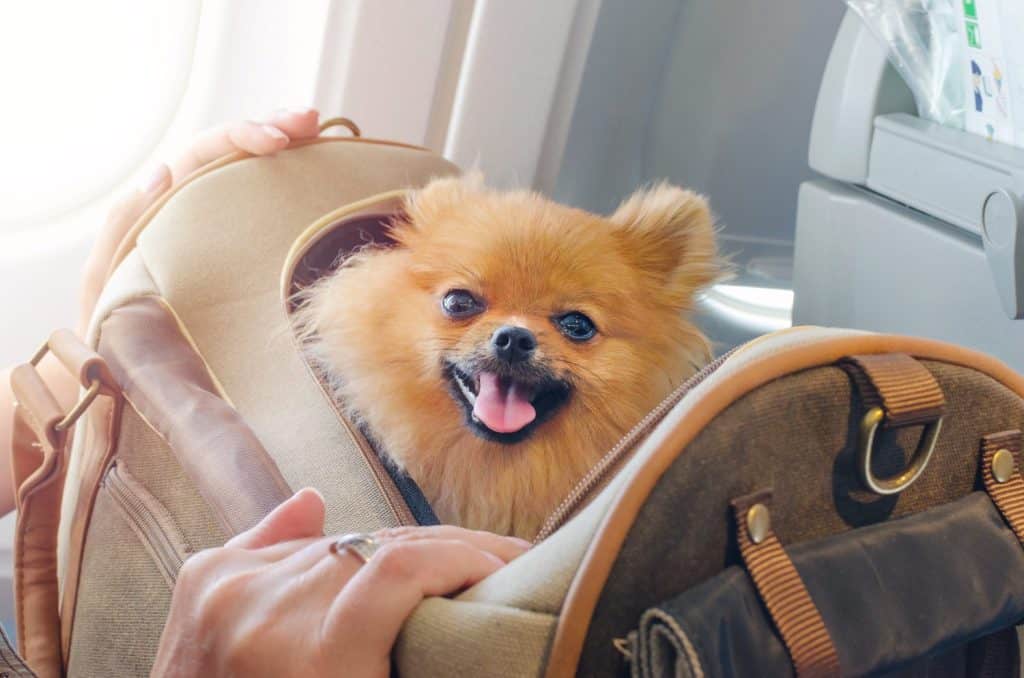
Placing the crate on the floor behind the front seats is a safe choice for your furry friends.
©Monika Wisniewska/Shutterstock.com
Pets improve our lives and our travels, but they depend entirely on us for their safety. From proper restraint in vehicles to careful chew-toy choices in unfamiliar environments, every decision matters. Whether you’re driving across town or flying across the country, informed preparation can mean the difference between a stressful journey and a safe, happy adventure.
This National Pet Travel Safety Day, commit to traveling smarter and safer with your pets. They trust us completely, and they deserve nothing less.
link