Traveling with pets on long-distance buses and trains: the new regulations in Argentina

The Argentine Government has formalized the guidelines for traveling with pets and the transportation of domestic animals in ground transportation under federal jurisdiction. The measure establishes requirements for safety, health, and coexistence.
As of this Tuesday, passengers in Argentina have a new regulatory framework to travel with their companion animals. Through Resolution 2076/2025 of the Secretariat of Transportation, the Ministry of Economy formally authorized traveling with pets on long-distance buses and trains, equating the conditions of these services with those already in place in the air transport sector.
This governmental decision seeks to modernize the ground transportation system, eliminating prohibitions that in some cases dated back decades. The regulation prioritizes animal welfare and road safety, establishing that the total responsibility for the transportation lies with the owner or companion.

Requirements and conditions for transportation
To be able to travel with pets on long-distance buses and trains, users must comply with a series of strict guidelines:
-
Age and quantity: Only one domestic animal is allowed per passenger over 18 years old.
-
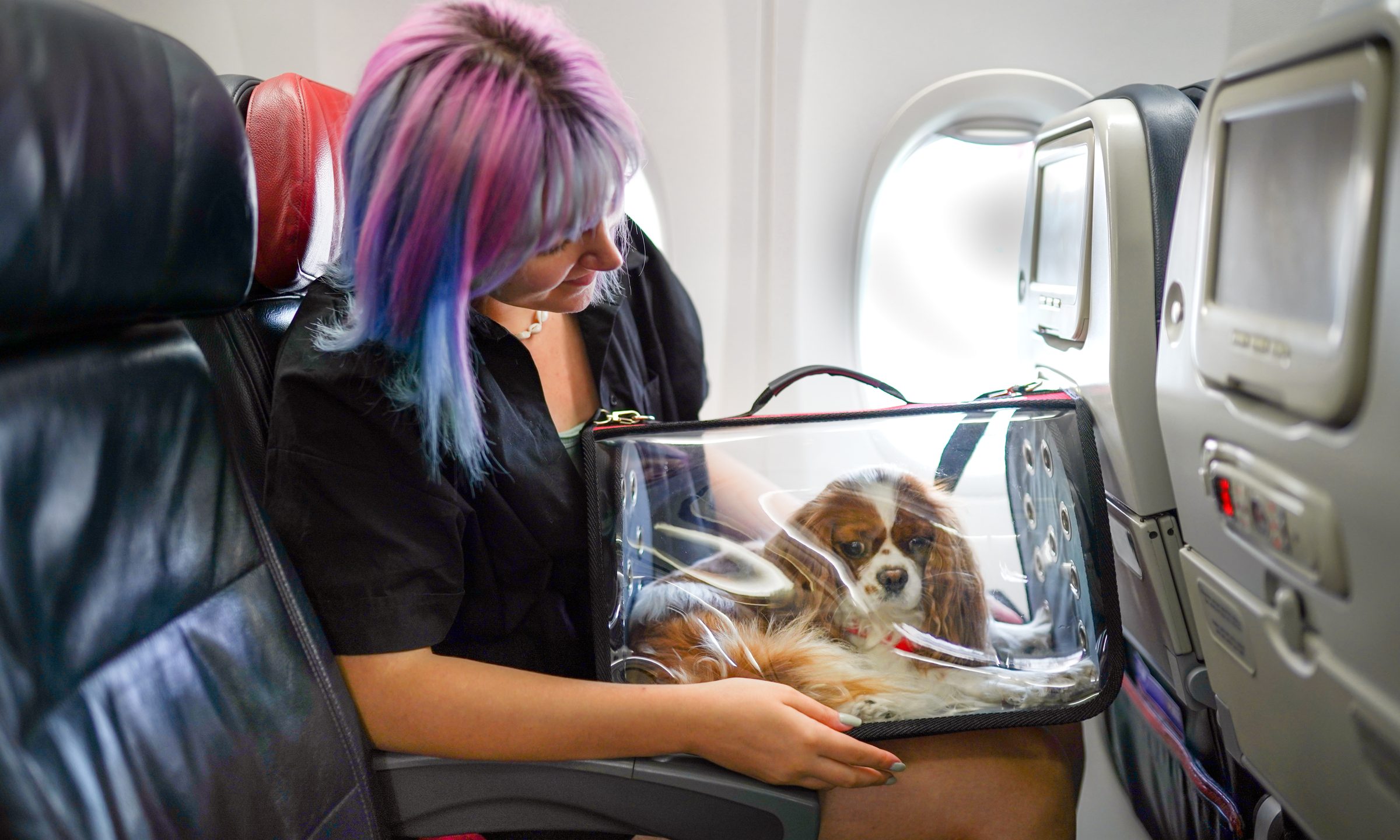
Transport containers: Pets must travel inside a kennel or closed carrier, specifically designed for this purpose, ensuring their ventilation and protection.
-
Location in the vehicle: The container can be placed on the owner’s lap, under the front seat, or in the adjacent seat (provided the extra ticket has been paid), and must be secured with the seatbelt in the latter case.
-
Health documentation: It is imperative to carry proof of current rabies vaccination and any other health certificate required by the authority or the company.
Autonomy of companies and exceptions
While the State sets the regulatory baseline, transport companies have the authority to define additional operational aspects. This includes determining breeds, species, maximum allowed weights, and the corresponding fees for the transportation service. Additionally, companies must adapt designated waiting areas at terminals and ensure disinfection protocols after each journey.
It is noteworthy that guide dogs or assistance dogs for people with disabilities are excluded from these new restrictions, maintaining their special regime of free access and without the need for containers, in accordance with Law 26.858.
With this measure, the Executive aims to simplify procedures and promote a more inclusive and comfortable travel experience for those who choose to travel across the country with their companion animals.
link