How hospitality brands are adapting to travelers with pets

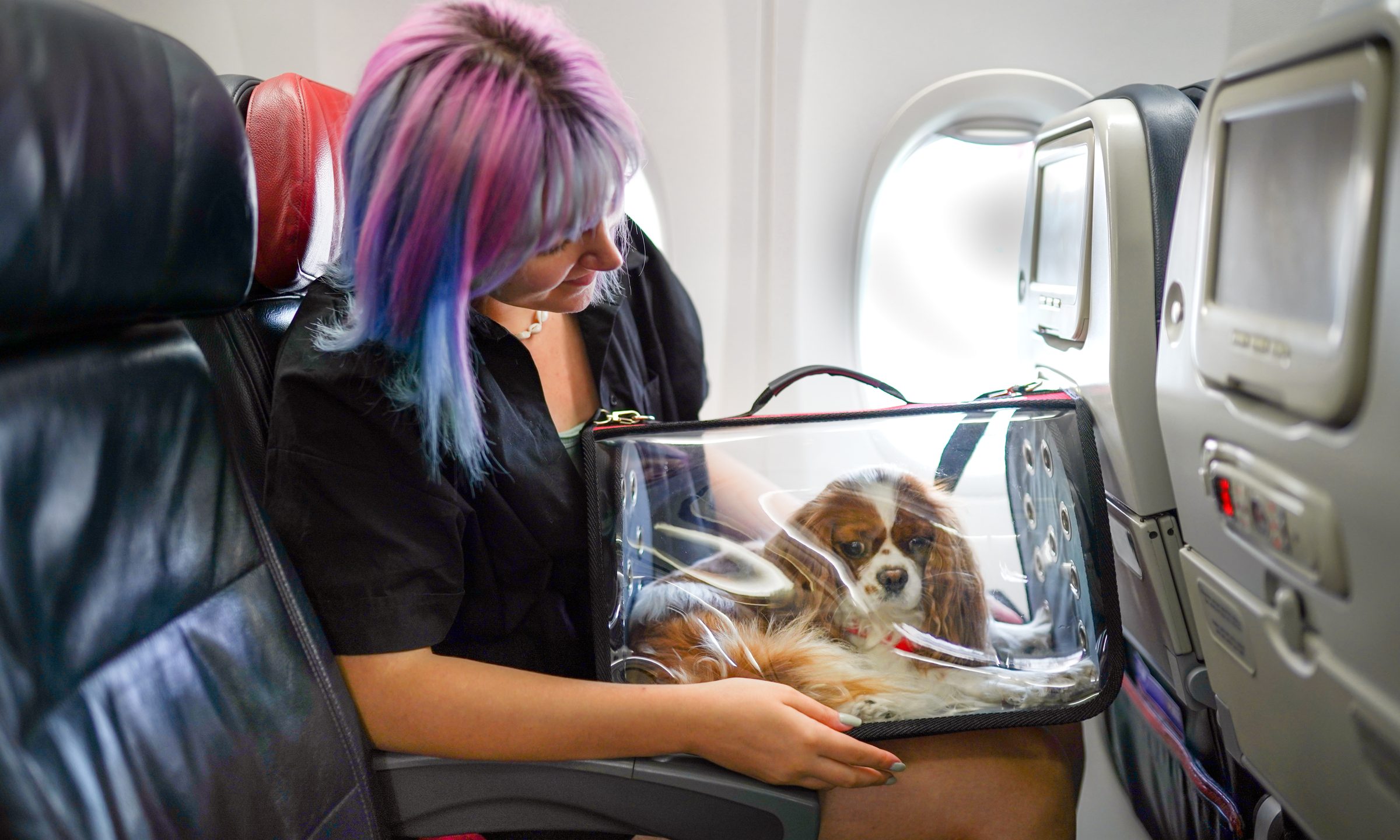
Several factors are fueling the pet-friendly travel surge. Firstly, the rise of the “pet-parent” phenomenon cannot be ignored. Millennials and Gen Z, in particular, are increasingly delaying marriage and children, often opting for pet ownership as a way to nurture and build a family.
Several factors are fueling the pet-friendly travel surge. Firstly, the rise of the “pet-parent” phenomenon cannot be ignored. Millennials and Gen Z, in particular, are increasingly delaying marriage and children, often opting for pet ownership as a way to nurture and build a family. These younger generations view their pets as companions, confidants, and integral parts of their lifestyle, making it unimaginable to leave them behind when traveling. Tools like a pet friendly tracker are becoming essential for planning these trips.
The Rise of the Pet-Parent and the Pet-Friendly Travel Imperative:
Several factors are fueling the pet-friendly travel surge. Firstly, the rise of the “pet-parent” phenomenon cannot be ignored. Millennials and Gen Z, in particular, are increasingly delaying marriage and children, often opting for pet ownership as a way to nurture and build a family. These younger generations view their pets as companions, confidants, and integral parts of their lifestyle, making it unimaginable to leave them behind when traveling.
Secondly, the sheer number of pet-owning households is steadily increasing. Statistics show a significant jump in pet ownership in recent years, partially fueled by the pandemic and the increased time people spent at home. This translates to a larger pool of potential travelers with pets, creating a substantial market opportunity for hospitality businesses.
Thirdly, the changing perception of pets within society has played a crucial role. No longer relegated to the backyard, pets are now frequently seen in public spaces, including restaurants, cafes, and even retail stores. This growing acceptance of pets in everyday life has paved the way for greater demand for pet-friendly hotels and vacation rentals.
Finally, the increasing availability of information and resources regarding pet-friendly travel has empowered owners to plan trips with their furry companions. Websites, apps, and social media groups dedicated to pet travel provide valuable information on accommodation, transportation, activities, and veterinary services, making it easier than ever to travel with pets.
Hospitality’s Response: Beyond a “Welcome” Mat:
Hospitality brands are recognizing the immense potential of the pet-friendly travel market and are actively adapting their offerings to attract travelers with pets. This adaptation goes far beyond simply allowing pets on the premises. It involves a comprehensive approach that considers the needs and comfort of both the pet and their owner.
Here are some key strategies hospitality brands are employing:
Redefining “Pet-Friendly” Accommodation: Historically, “pet-friendly” often meant tolerating pets with minimal amenities and potentially restrictive rules. Today, leading hospitality brands are actively designing spaces and services with pets in mind. This includes:
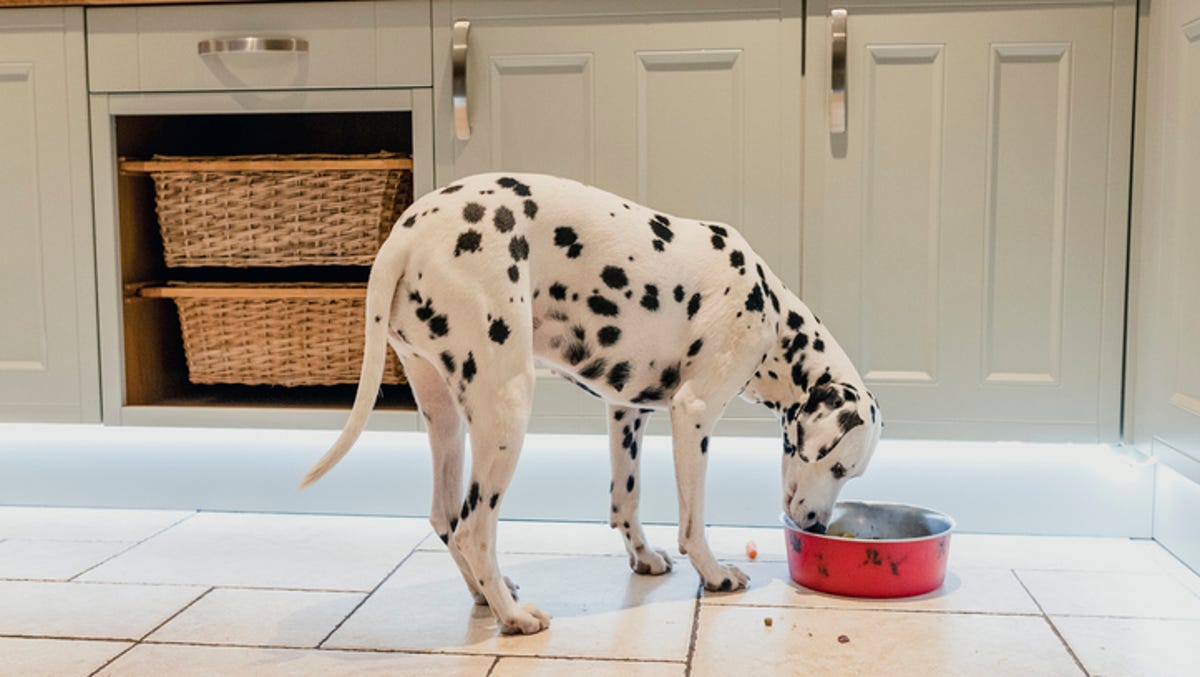
- Designated Pet-Friendly Rooms & Suites: These rooms often feature durable flooring, easily cleanable surfaces, and comfortable bedding specifically for pets. Some even include pet-sized furniture and dedicated feeding stations.
- On-Site Pet Amenities: Beyond the basics, many hotels are offering a range of amenities such as:
– Pet beds, bowls, and toys upon arrival.
– Designated dog-walking areas and waste stations.
– On-site dog parks or play areas.
– Pet-sitting and dog-walking services.
– Gourmet pet menus and in-room dining options for pets.
– Partnerships with local pet groomers and veterinary clinics. - Flexible Pet Policies: While some rules are necessary for the safety and comfort of all guests, leading hospitality brands are striving to create more flexible and accommodating pet policies. This may involve relaxing weight restrictions, allowing pets in more common areas (such as lobbies and patios), and offering extended check-in/check-out times to accommodate pet needs.
Investing in Staff Training: A truly pet-friendly experience requires more than just physical amenities. Hotel staff needs to be properly trained to interact with pets and their owners, handle potential issues, and provide knowledgeable recommendations for local pet-friendly resources. This includes:
- Understanding Pet Behavior: Training staff on basic pet behavior and body language can help them identify signs of stress or anxiety in pets and respond appropriately.
- Handling Pet-Related Incidents: Staff should be trained on how to handle situations such as barking, accidents, or conflicts between pets in a professional and empathetic manner.
- Providing Pet-Friendly Recommendations: Equipping staff with information on local dog parks, walking trails, pet stores, and veterinary clinics can significantly enhance the guest experience.
Leveraging Technology and Partnerships: Hospitality brands are increasingly using technology and strategic partnerships to enhance their pet-friendly offerings. This includes:
- Pet-Friendly Booking Platforms: Partnering with or developing dedicated booking platforms that allow travelers with pets to easily filter accommodation options based on pet-specific criteria.
- Virtual Concierge Services: Offering virtual concierge services that provide personalized recommendations for pet-friendly activities, restaurants, and services in the local area.
- Mobile Apps for Pet Owners: Developing mobile apps that provide information on hotel amenities, local pet resources, and even real-time communication with hotel staff.
- Partnerships with Pet Product and Service Providers: Collaborating with pet food brands, grooming services, and veterinary clinics to offer exclusive discounts and packages to guests traveling with pets.
Marketing and Communication: Effectively communicating pet-friendly policies and amenities is crucial to attracting travelers with pets. This involves:
- Highlighting Pet-Friendly Amenities on Websites and Marketing Materials: Ensuring that all pet-related information is easily accessible and prominently displayed on the hotel’s website and marketing materials.
- Using High-Quality Photography and Videography: Showcasing the hotel’s pet-friendly facilities and amenities through visually appealing imagery and videos.
- Engaging with Pet Owners on Social Media: Creating engaging content on social media platforms that resonates with pet owners, showcasing pet-friendly activities, and fostering a sense of community.
- Utilizing Targeted Advertising: Employing targeted advertising strategies to reach pet owners who are actively searching for pet-friendly travel options.
Examples of Hospitality Brands Leading the Way:
Several hospitality brands are setting the standard for pet-friendly travel:
- Kimpton Hotels & Restaurants: Kimpton is renowned for its “Anything Anytime” pet policy, welcoming pets of all sizes and species with no extra fees. They provide amenities like pet beds, bowls, and treats, and often host pet-friendly social hours.
- Loews Hotels & Co: Loews offers the “Loews Loves Pets” program, which includes welcome kits with treats and toys, pet menus, and recommendations for local pet-friendly activities.
- Red Roof Inn: Red Roof Inn is a more budget-friendly option that consistently welcomes pets with no additional fees at many of its locations, making travel more accessible for price-conscious pet owners.
- Airbnb: While not a traditional hospitality brand, Airbnb has a vast selection of pet-friendly rentals, allowing pet owners to find unique and comfortable accommodations that suit their needs.
- Four Seasons Hotels and Resorts: Known for exceptional service, Four Seasons provides specialized amenities like custom-designed pet beds, gourmet pet menus and even pet spa treatments in select locations.
The Future of Pet-Friendly Travel:
The pet-friendly travel boom is not a fleeting trend; it’s a fundamental shift in the way people travel. As pet ownership continues to rise and societal attitudes towards pets continue to evolve, the demand for pet-friendly accommodation and services will only intensify.
Here are some future trends that are likely to shape the pet-friendly travel landscape:
- Increased Personalization: Hospitality brands will likely move towards even more personalized experiences for travelers with pets, offering customized amenities and services based on individual pet needs and preferences.
- Technological Integration: Technology will play an increasingly important role in enhancing the pet-friendly travel experience, with the development of more sophisticated mobile apps, virtual concierge services, and smart room features designed specifically for pets.
- Emphasis on Wellness and Sustainability: There will be a growing focus on pet wellness and sustainable practices, with hospitality brands offering organic pet food options, eco-friendly pet products, and promoting responsible pet ownership.
- Expansion of Pet-Friendly Activities: The availability of pet-friendly activities and attractions will continue to expand, with more restaurants, parks, museums, and other venues opening their doors to well-behaved pets.
- Specialized Pet Travel Insurance: The demand for pet travel insurance will likely increase, providing owners with peace of mind in case of illness, injury, or other unexpected events during their travels.
Photo by Irina Popova on Unsplash
link