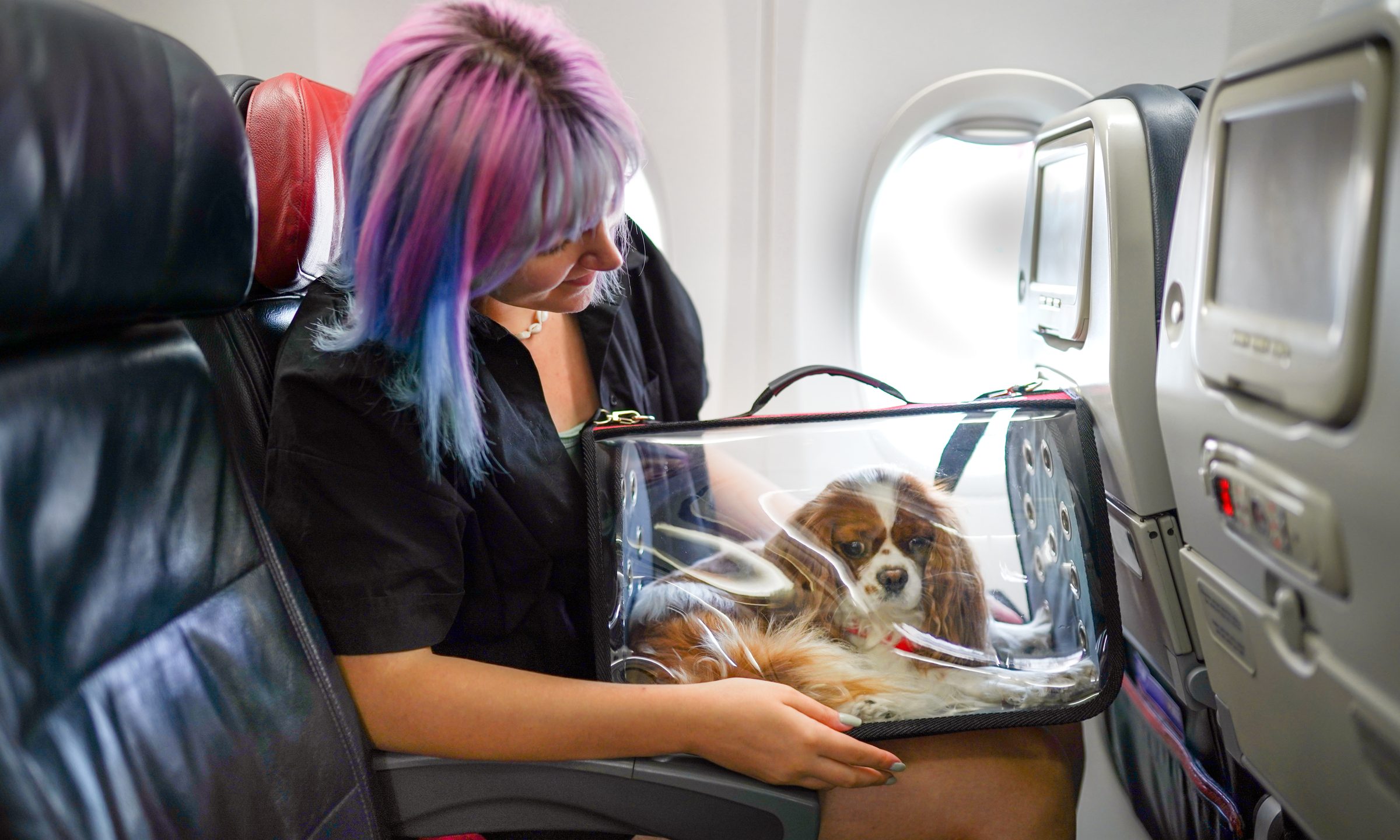
A Guide to Traveling With Your Pets

It feels like everyone’s bringing their dog, cat or even pet pig on vacation these days. Flexible work schedules, rising pet adoptions and a shift toward slower and more intentional travel. It all means more people are inviting their animals along for the ride.
Whether you’re flying to Paris with your miniature poodle or road-tripping up the California coast with your rescue mutt, pet travel is more doable, if not a little more complicated, than ever. Airlines are adapting. Hotels are, too. But planning a trip with a pet still comes with its own set of pitfalls to navigate.
From paperwork to crate requirements to how to keep your animal calm in a crowded terminal. These are the things to know before hitting the road with your four-legged bestie.
NEWSLETTER
Looking to adopt or raise a pet? Get expert tips and tricks right in your mailbox.
Know Before You Go: What’s Changed
Flying with pets used to be a pretty niche flex. Now that it’s much more common, the rules have changed. Airlines are stricter about how many animals can fly in the cabin. Some routes don’t allow them at all.
If you’re flying internationally, expect more prep. For Europe-bound dogs, you’ll need an ISO-compliant microchip, a current rabies vaccination, and a health certificate signed by a USDA-accredited vet. Headed to Japan or Australia? You might need to start the paperwork six months in advance.
Not sure where to begin? The USDA APHIS pet travel portal and European Commission’s pet movement guide both break things down country by country.

(Andriy Blokhin – stock.adobe.com)
Finding the Right Airline—and the Right Carrier
Start with your airline. Some, like JetBlue, offer pet perks and loyalty points. Others are more hands-off. All have different size limits for carriers, so check that first—most require a soft-sided carrier that fits under the seat.
Book early. Really early. In-cabin spots are limited and often fill up weeks ahead.
For large dogs flying cargo, things get trickier. Airlines follow the IATA Live Animals Regulations, which means your crate needs to be ventilated, leakproof, and lockable. Some airlines won’t fly pets in cargo at all during summer due to heat risks.
Double-check the fine print. Then check it again.
Car vs. Plane: It’s Not Always Simpler on the Ground
Driving gives you control over the schedule but long hours on the road come with their own challenges. Use a harness or secured crate and take breaks every 2 to 3 hours. Keep pets in the back seat. Never leave them alone in the car. And bring printed vet records just in case.

(Olga Yastremska, New Africa, Afr/New Africa – stock.adobe.com)
What to Pack When Traveling With Your Pet
You don’t need to pack too much luggage, but there are a few key pieces of pet travel gear that will ensure a smooth trip. A soft carrier that meets airline specs. Collapsible bowls. Calming spray (Adaptil for dogs, Feliway for cats). A favorite blanket or toy. And don’t forget something that smells like home.
If your pet tends to get anxious, schedule a vet visit a couple of weeks before your trip. Ask about motion sickness meds like Cerenia or calming chews with ingredients like L-theanine.
Bring two copies of your paperwork—one in your bag, one with your pet. It’s a small thing that can save you a lot of stress.
Small Surprises (That Happen All the Time)
Even with the best prep, travel throws curveballs. Flights change. You get rebooked on a plane that doesn’t allow pets. Your “pet-friendly” hotel turns out to only accept dogs under 20 pounds.
If your trip has multiple connections or international stops, consider working with a pet relocation service like PetRelocation or Happy Tails Travel. They handle everything from customs paperwork to crate fitting so you can focus on the part where you actually enjoy the trip.
International Travel? Give Yourself More Time Than You Think
Some countries require blood tests, microchip scans and paperwork submitted months in advance. It’s not difficult, it’s just detailed. Even one typo on a health certificate can derail the best laid plans.
Also worth knowing: certain breeds like French bulldogs and Persians may not be allowed to fly in cargo due to respiratory risks. And some airlines won’t allow animals in the cabin at all on long-haul routes.

(Framestock – stock.adobe.com)
When It’s Not a Vacation
Sometimes travel isn’t optional. You’re relocating. Bringing a rescue home. Visiting family. In those cases, emotional support animal (ESA) and service dog rules matter more.
Most airlines have retired ESA policies and now only accept trained service animals with documentation. The Department of Transportation’s latest rule explains exactly what counts.
Ensuring a Smooth Flight Ahead
Traveling with pets is absolutely possible for the owner on the go. It just requires smart and thorough research and planning. The more you know up front, the less you’ll have to troubleshoot on the go.
Start early. Bring backup copies. Ask questions. Stay flexible. And remember, your dog doesn’t care about flight delays or middle seats. They just want to be near you.
link